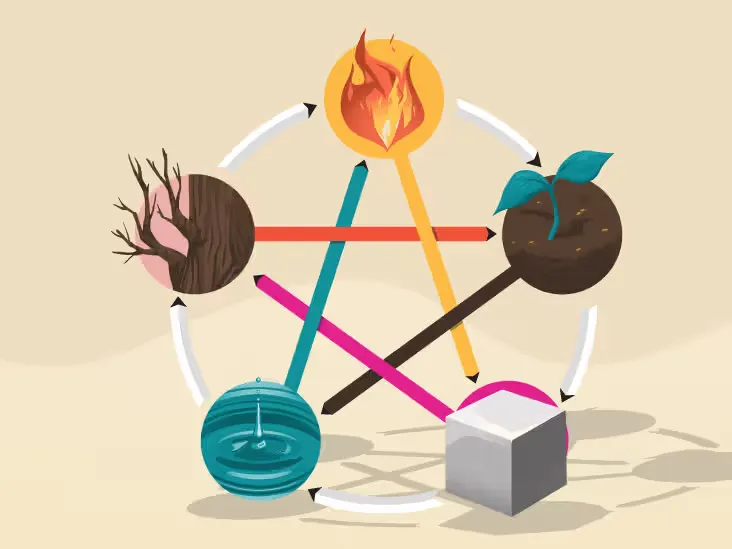
The Daily Life System Map

A structured overview of how the four core components of everyday life — energy, movement, rest, and focus — interact and reinforce each other within the continuous flow of a day.

4 interconnected components Continuous daily cycle Educational overview

Life as an Organised Framework

The Life System Map is not a prescription. It is a descriptive tool — a way of making visible the patterns that already exist in daily life, so they can be observed with clarity rather than managed with effort.

When you view the day as a structured system, each decision or habit gains context. Rest is no longer a reward for productivity; it becomes a functional phase in a cycle. Movement is not a separate obligation; it is a rhythmic counterpart to focused activity.

The map below offers one way to see these relationships. The specific timing and proportion of each component will differ between individuals and across seasons.

  • Descriptive, not prescriptive
  • Adaptable to individual patterns
  • No performance targets or metrics
  • Built for observation and awareness
Diagram showing a full daily life system map with morning, midday, afternoon, and evening phases and their corresponding energy, movement, rest, and focus characteristics

How Each Component Functions Within the Whole

Each of the four components plays a distinct role and maintains specific connections to the others. These relationships define the system's overall coherence.

Energy — The Central Driver

Energy can be viewed as an underlying current connected to every other component. Its availability at different points in the day may influence what movement feels possible, how deeply rest can occur, and how readily focus can be sustained. Many people report irregular energy patterns, especially when these connections are not yet visible. As the cycle becomes clearer, energy may feel more readable and less unpredictable.

Movement — The Rhythmic Anchor

Physical movement serves as a structural anchor within the daily cycle. It transitions the body between phases — from a resting state to an active one, or from sustained mental engagement to relaxed recovery. Movement integrated naturally into the day tends to reinforce the consistency of other rhythms. When it is isolated as a separate task disconnected from daily flow, its systemic benefit is reduced.

Rest — The Regenerative Phase

Rest is not simply sleep. It includes every period of reduced demand — quiet moments, transitions between activities, and the longer overnight cycle. Each rest phase allows the system to consolidate and prepare for the next period of activity. In a well-structured daily system, rest periods occur at predictable intervals, which makes them more restorative and more reliable as a foundation for other components.

Focus — The Attentive Window

Mental clarity is not a constant state — it fluctuates in windows across the day, shaped by energy availability and rest quality. Working with these natural attentive cycles, rather than attempting to extend them artificially, is the core principle of focus management within the system. Recognising when clarity is present allows for more coherent use of attentive time.

How Energy Moves Through the Day

The following is a general representation of how the four components typically shift across a full daily cycle. Individual patterns will vary significantly — this serves as a reference point, not a fixed schedule.

Morning Phase

Rising State

Energy builds gradually from a resting baseline. Movement tends to be gentle and preparatory. Focus begins to coalesce as the system transitions from rest. This phase sets the tone for the mid-day arc — unhurried entry supports more sustained engagement later in the day.

Midday Phase

Peak Engagement

For many people, the midday window may correspond to a period of higher available energy and attentive capacity. Physical movement during this phase can often integrate naturally with active engagement. A mid-day pause — even brief — may help sustain the system into the afternoon with less strain.

Evening Phase

Gradual Transition

Energy naturally softens as the day moves toward its close. This phase is the transition into the overnight recovery cycle. How the evening is structured — the reduction of stimulation, the consistency of the wind-down sequence — has a direct influence on the quality of rest and on how the next day begins.

Important Information

All content on this page is provided for educational and informational purposes only. The Life System Map is a conceptual framework intended to support general awareness of daily patterns. It does not constitute medical advice, diagnosis, or treatment recommendation. If you have specific concerns about your wellbeing, please consult a qualified medical professional.

Explore Balanced Living Guide